

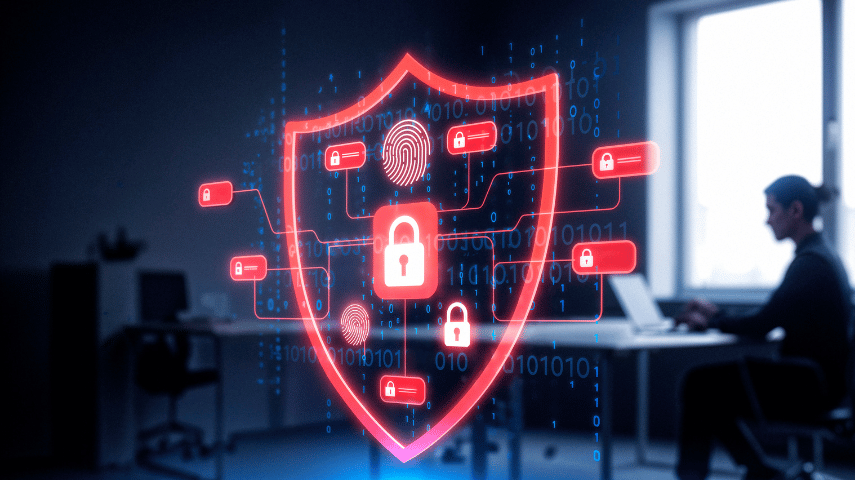
Cybersecurity: Protecting Your Business in the Digital Age
Cybersecurity has become the cornerstone of modern business operations as organizations face increasingly sophisticated cyber threats. From ransomware attacks to data breaches, businesses must implement comprehensive security measures to protect sensitive information, maintain customer trust, and ensure operational continuity. A robust cybersecurity strategy encompasses technology, processes, and people working together to defend against evolving digital threats.
The threat landscape continues to expand with cybercriminals deploying advanced tactics including phishing campaigns, malware infections, social engineering attacks, and zero-day exploits. Small and medium enterprises are particularly vulnerable as they often lack dedicated security teams and enterprise-grade protection systems. Understanding common attack vectors helps organizations prioritize security investments and develop effective defense strategies. Proactive threat detection, incident response planning, and continuous monitoring form the foundation of a resilient security posture.
Multi-layered security approaches provide the strongest defense against cyber threats by implementing protection at network, application, and endpoint levels. Firewalls, intrusion detection systems, and encryption protocols work together to create barriers against unauthorized access. Regular security audits, penetration testing, and vulnerability assessments identify weaknesses before attackers can exploit them. Employee training programs address the human element of security, teaching staff to recognize suspicious activities and follow best practices for password management, email security, and data handling procedures.

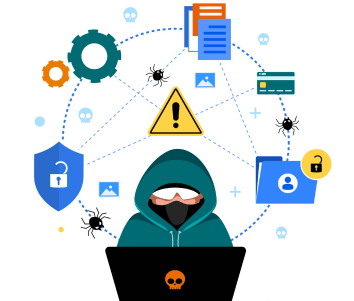
Essential Cybersecurity Practices for Businesses
Implementing fundamental security practices significantly reduces risk exposure and strengthens overall defense capabilities. Organizations must establish clear security policies, enforce access controls, and maintain up-to-date software patches across all systems. Data backup strategies ensure business continuity during ransomware incidents, while incident response plans enable swift action when breaches occur. Regular security awareness training keeps employees vigilant against social engineering tactics and emerging threats.
Emerging technologies like artificial intelligence and machine learning enhance threat detection capabilities by analyzing patterns and identifying anomalies in real-time. Zero-trust security models verify every access request regardless of location or device, minimizing lateral movement during breaches. Compliance requirements such as GDPR, HIPAA, and PCI-DSS mandate specific security controls that protect customer data and avoid costly penalties. Investing in cybersecurity is not just about technology—it's about building a security-first culture that protects your business reputation and ensures long-term success.


