

Cloud Migration: Your Complete Guide to a Successful Transition
Cloud migration is the strategic process of moving your business applications, data, and infrastructure from on-premises servers to cloud environments. This transformative journey requires careful planning, assessment, and execution to ensure minimal disruption while maximizing benefits. Organizations embarking on cloud migration unlock new levels of agility, cost savings, and scalability that traditional data centers simply cannot match.
The migration journey begins with a comprehensive assessment of your current IT infrastructure, identifying which workloads are ready to move, which require refactoring, and which legacy systems need special attention. Companies must evaluate their applications for cloud compatibility, data dependencies, and compliance requirements before initiating the move. A well-structured migration strategy considers the six R's: Rehost (lift-and-shift), Replatform, Repurchase, Refactor, Retire, and Retain, ensuring each asset follows the optimal path to the cloud.
Successful cloud migration demands robust planning around data transfer, security protocols, and business continuity. Organizations must establish clear timelines, allocate resources appropriately, and prepare teams for the transition through training and change management initiatives. Testing environments, validation procedures, and rollback plans are essential safeguards that protect business operations during the migration phase. Post-migration optimization ensures resources are properly configured, costs are monitored, and performance meets or exceeds pre-migration baselines.

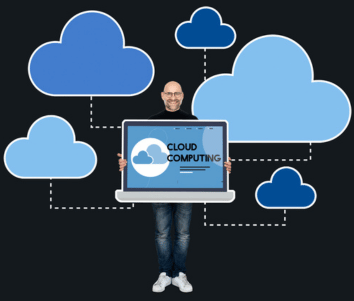
Essential Steps for Successful Migration
A methodical approach to cloud migration minimizes risks and accelerates time-to-value. Begin with discovery and assessment phases to inventory all assets, understand dependencies, and calculate total cost of ownership. Create a detailed migration roadmap with phased milestones, prioritizing applications based on business criticality and technical complexity. Establish governance frameworks, security policies, and monitoring tools before moving the first workload.
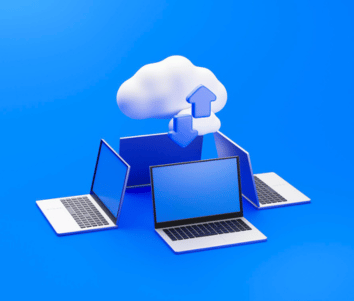
Common migration challenges include data transfer bottlenecks, application compatibility issues, skill gaps within IT teams, and unexpected costs. Partnering with experienced migration specialists helps navigate these obstacles through proven methodologies and automation tools. Organizations that invest in thorough planning, employee training, and phased implementation achieve higher success rates with fewer disruptions. The migration journey doesn't end at cutover—continuous optimization and cloud-native adoption drive long-term value and ROI.


